Miramare Castle: visiting, practical information and getting there
In short
Miramare Castle is the white seaside residence built in the mid-19th century for Archduke Maximilian of Habsburg and his wife Charlotte, about 7 km from the centre of Trieste. Inside you can visit the historic apartments (a museum with an admission charge); outside there is a large park above the gulf, free to enter. From Casa Bora, in the Borgo Teresiano, it takes 20–25 minutes on bus 6 to Grignano/Miramare plus a short walk; allow 2–3 hours for the visit.
Miramare Castle at a glance
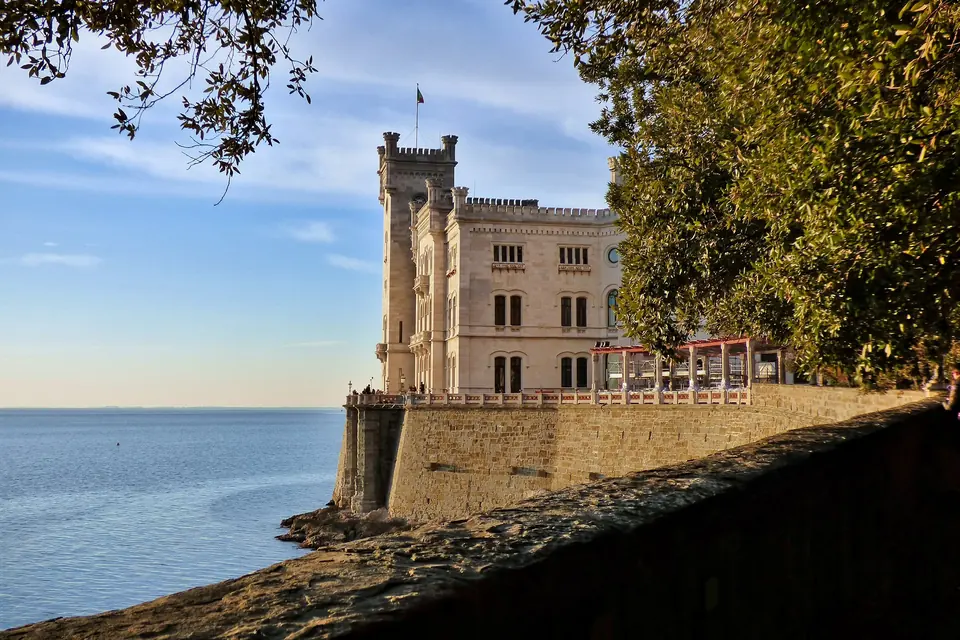
Miramare Castle stands on the Grignano headland, on the coast north-west of Trieste, about 7 km from the city centre. If you are staying at Casa Bora, a guest house in the Borgo Teresiano near the Canal Grande, it is the classic half-day trip out of town: 20–25 minutes by bus along the sea, no car needed.
The castle is built of white stone and seems to rest right on the water, surrounded by a park of more than twenty hectares that climbs the hillside. Today it houses a historic museum, while the park is one of the places locals love most for a walk above the gulf.
A little history: Maximilian and Charlotte
It was built for Archduke Maximilian of Habsburg, younger brother of Emperor Franz Joseph and commander of the Austrian navy, as a home for himself and his wife Charlotte of Belgium. Work began in 1856 to designs by the architect Carl Junker, and the couple moved in around 1860, before the interiors were finished.
Their time here was short. In 1864 Maximilian left Miramare to become Emperor of Mexico, where he was executed in 1867. Charlotte returned to Europe in poor mental health and never lived at the castle again. This is the origin of the legend of the “Miramare curse”, still told with some relish in Trieste.
What to see at Miramare Castle
The historic apartments
The museum fills the castle’s rooms, much of the furniture original. On the ground floor are Maximilian’s private rooms: his study and bedroom recall the cabins of the frigate Novara, with low wooden ceilings. Then come the library and the reception rooms.
Upstairs you will find the throne room and several rooms refurnished in the 1930s for Prince Amedeo, Duke of Aosta, who lived here for a few years. The contrast between the two styles tells the story of the building’s different lives.
The park
The park spreads over the hill behind the castle, with shady avenues, small ponds, glasshouses and trees from several continents. Here you will also find the Castelletto, the smaller building where the couple lived while the castle was under construction. From the upper paths you look down on the castle with the gulf behind it.
Miramare Marine Protected Area
The sea off the headland is a marine protected area set up in the 1980s and managed by WWF, with strict rules and a seabed full of life. It is not a place for a casual swim: at certain times of year there are guided visits and organised snorkelling, but the programme changes with the seasons, so check the official website. For a swim, stop at Grignano or Barcola instead.
Why visit
Miramare gives you three things in one outing: a true and rather melancholy story, a park you can enjoy without even entering the museum, and one of the finest views over the Gulf of Trieste. It also works on an uncertain day, since the apartments are indoors.
Practical information
- Admission: the park is free; the castle museum charges admission.
- Opening times and tickets: they vary with the season, so check the official website before you go.
- Time needed: about an hour for the museum and an hour or more for the park.
- Accessibility: the seafront path is flat; the park has uphill avenues.
- Driving: parking nearby is limited and fills up quickly in summer; the bus is easier.
Getting there from Casa Bora
By bus: line 6
From the Borgo Teresiano it is a short walk to the area around the Central Station, which is served by Trieste Trasporti line 6. The bus follows Viale Miramare along Barcola and reaches Grignano/Miramare in 20–25 minutes; a short walk then takes you to the park entrance. Check stops and frequency on the official website.
On foot or by bike along the sea
From the Canal Grande, head down to the waterfront and follow it north past the Porto Vecchio, the old port, to Barcola, then carry on along the seafront to the headland. It is flat all the way: allow about an hour and a half on foot, less by bike.
| Option | Approximate time | Notes |
|---|---|---|
| Bus 6 | 20–25 minutes | To Grignano/Miramare, then a short walk |
| On foot | About 1 hour 30 | Along the waterfront and the Barcola seafront |
| Bicycle | 25–35 minutes | Along Viale Miramare |
Some regional trains stop at Miramare station above the park, and in summer passenger boats link the waterfront with the coast: check the official websites.
Tips for your visit
Casa Bora’s tip: take bus 6 out and walk back along the Barcola seafront. It is about 7 km to the Borgo Teresiano, flat and right beside the sea: in summer you can stop for a swim, in autumn for the sunset.
Come early in the morning if you want a quieter museum, or in the late afternoon if the park in warm light is what you are after. When the Bora blows hard the seafront is uncomfortable: stay on the bus and read our tips on Trieste in the Bora wind.
Nearby
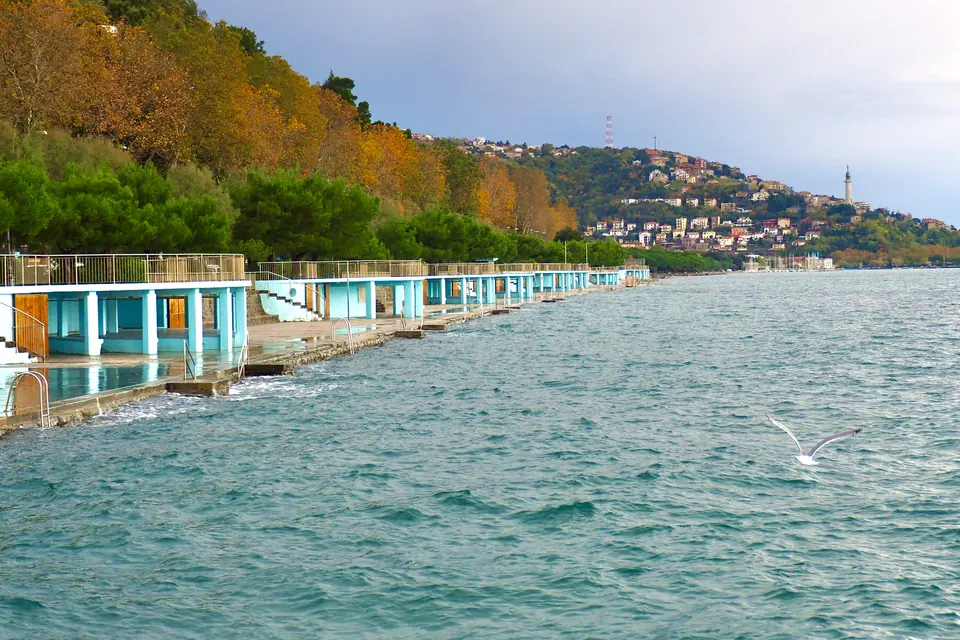
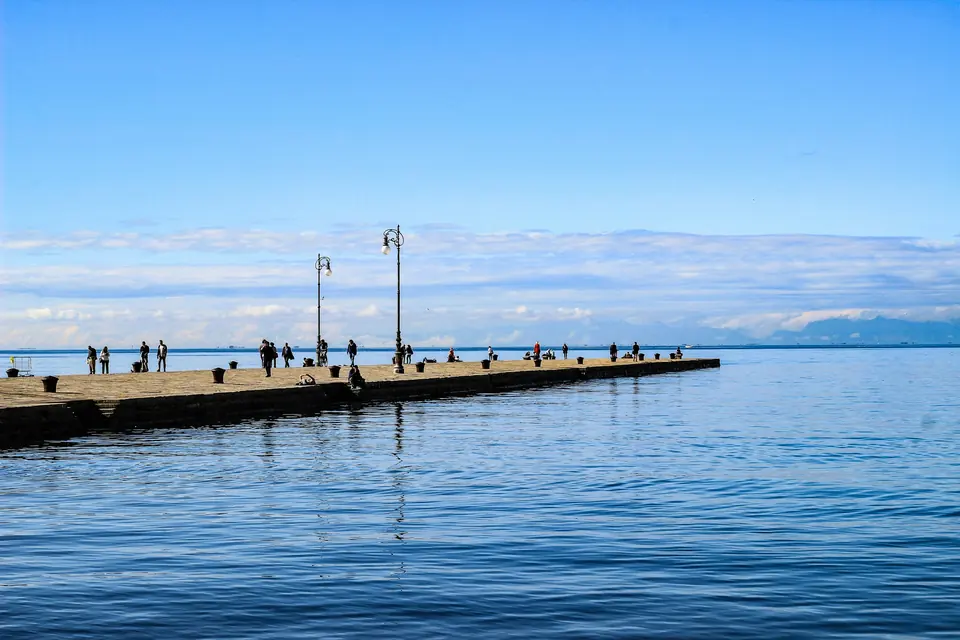
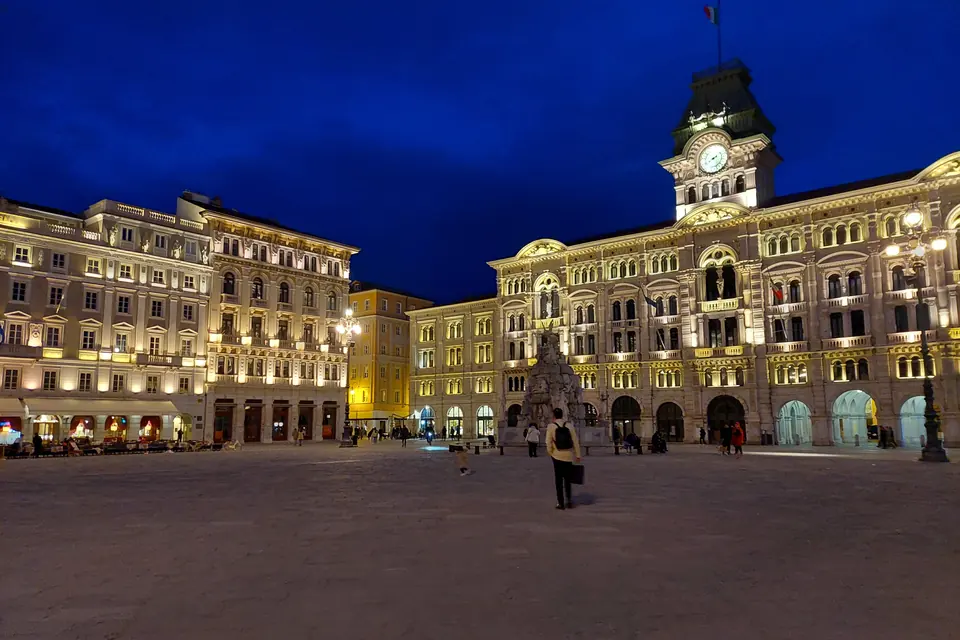
Heading back towards the centre you pass Barcola, with its pine grove and the “Topolini”, then the waterfront as far as the Molo Audace and Piazza Unità d’Italia. From there the Canal Grande is a short stroll away, closing the loop where it began. If you are planning your stay, have a look at the rooms at Casa Bora.
Information is indicative: opening times, prices and services may change, so always check the official websites before your visit.