Canal Grande, Trieste: what to see along the canal
In short
The Canal Grande is the navigable canal that runs from the waterfront into the Borgo Teresiano, Trieste’s 18th-century merchant quarter. Along its banks you’ll find the neoclassical church of Sant’Antonio Taumaturgo, the Serbian Orthodox church of San Spiridione, the Ponte Rosso with its statue of James Joyce, and Palazzo Gopcevich. You can see it on foot in under an hour, and it’s especially pleasant in the evening.
The Canal Grande and the Borgo Teresiano
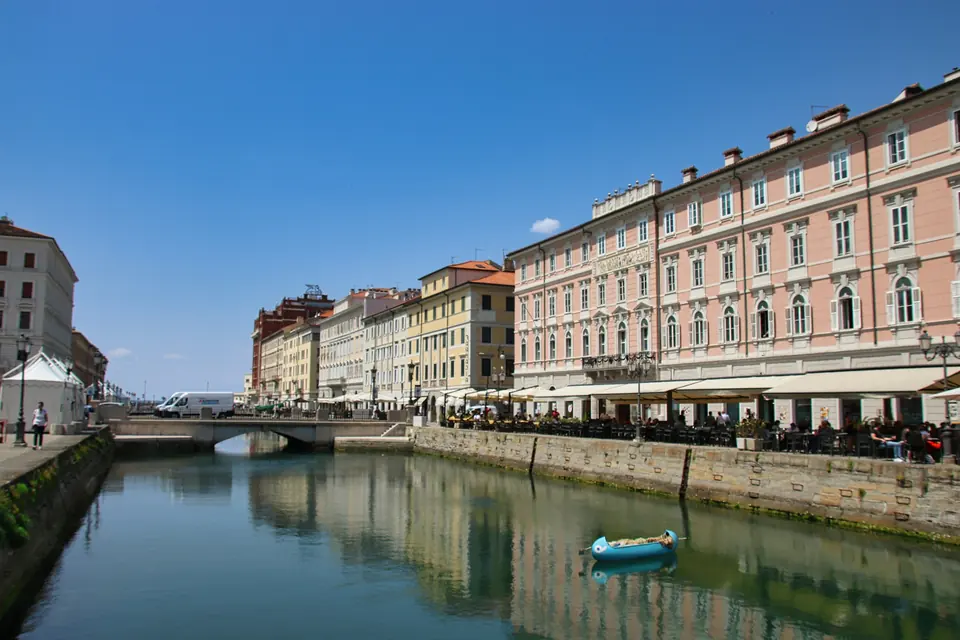
Trieste’s Canal Grande is a straight, navigable canal that starts at the sea, by the waterfront, and cuts a few hundred metres into the city. It was dug in the mid-18th century, when Habsburg Trieste was growing fast as a free port, so that boats laden with goods could sail right up to the merchants’ warehouses and homes.
The canal is the backbone of the Borgo Teresiano, the district named after Empress Maria Theresa. You’ll recognise it straight away by its grid of straight streets and its elegant buildings, many of them built as homes and storehouses for traders who came from all over Europe and the Mediterranean.
What to see along the Canal Grande
The church of Sant’Antonio Taumaturgo
Closing the view at the far end of the canal is the church of Sant’Antonio Taumaturgo, which locals also call Sant’Antonio Nuovo. It’s a large neoclassical building from the first half of the 19th century, its columned front looking like an ancient temple. Seen from the waterfront, looking up the canal, it makes one of the most photographed views in the city.
The Serbian Orthodox church of San Spiridione
A few steps from the canal bank rise the blue domes of San Spiridione, built in the second half of the 19th century by Trieste’s Serbian Orthodox community. Inside are mosaics, icons and a richly decorated iconostasis. It’s the clearest sign of how much the city has been, and still is, a crossroads of peoples and faiths.
The Ponte Rosso and the statue of James Joyce
Halfway along the canal is the Ponte Rosso, the best-known bridge, with the small square of the same name. Walking across it is a life-size bronze statue of James Joyce: the Irish writer lived in Trieste for many years in the early 20th century, teaching English and writing a significant part of his work. It has become a favourite stop for a photo.
Palazzo Gopcevich
On the corner by the Ponte Rosso stands Palazzo Gopcevich, easy to spot thanks to its red and yellow striped façade. Built in the mid-19th century for a shipowner of Serbian origin, it now houses the Carlo Schmidl Theatre Museum, devoted to the history of theatre and music in Trieste. Check opening times and tickets on the official website.
The boats and Palazzo Carciotti
Small boats are moored along the canal, giving the Borgo Teresiano the feel of a waterside town. At the mouth of the canal, on the waterfront, is Palazzo Carciotti, a neoclassical palace with a dome, built for a wealthy merchant around the turn of the 19th century.
Why it’s worth visiting
In just a few hundred metres, the Canal Grande tells the story of free-port Trieste: seaborne trade, the foreign communities that settled here, and churches of different faiths a few steps apart. It’s also simply a lovely place to stroll, sit down and watch the world go by.
The Canal Grande in the evening
As it gets dark, the lights of the buildings are reflected in the water and the banks fill with outdoor tables. It’s one of the most popular spots for an aperitivo and for an after-dinner stroll, especially in the warmer months.
Tip: for the classic shot with Sant’Antonio at the far end, stand at the mouth of the canal on the sea side in the morning, when the light is soft and it’s quiet.
Practical information
- The canal and its banks are public space, always open and free.
- The route is completely flat and suitable for pushchairs and wheelchairs.
- The churches are places of worship: go in quietly, dress respectfully and avoid service times. Opening hours vary, so check before you go.
How to get there
- From Casa Bora: it’s the nearest sight, about 5 minutes on foot through the streets of the Borgo Teresiano.
- From the Central Station: about 10 minutes on foot towards the sea.
- From Piazza Unità d’Italia: 5–7 minutes on foot north along the waterfront.
Tip: when the Bora is blowing, the Borgo Teresiano is one of the most comfortable places to walk, as the buildings shelter you from the wind far better than the open waterfront. More ideas in our guides to Trieste in the Bora wind and Trieste on a rainy day.
What to see nearby
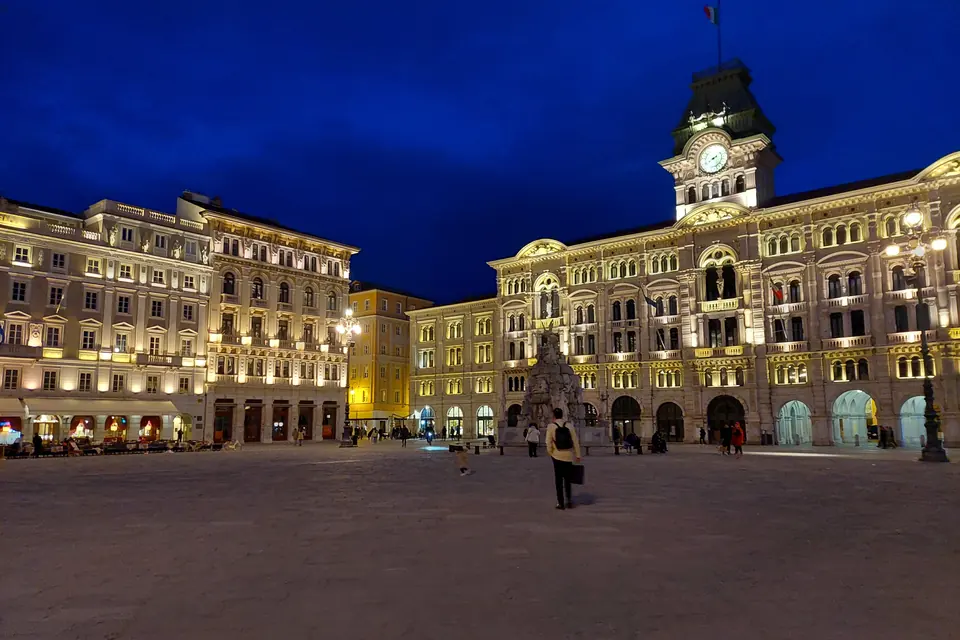
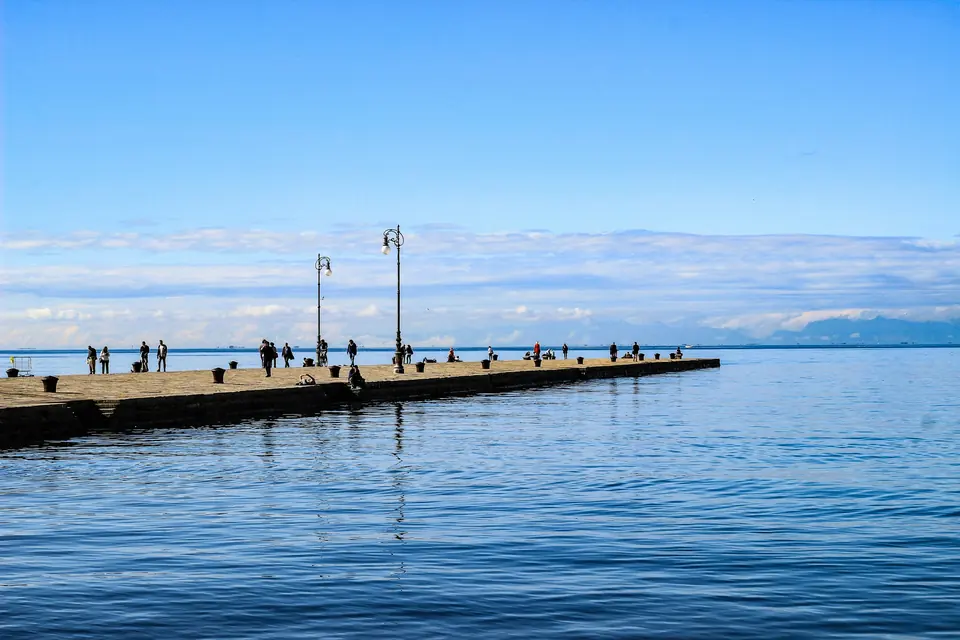
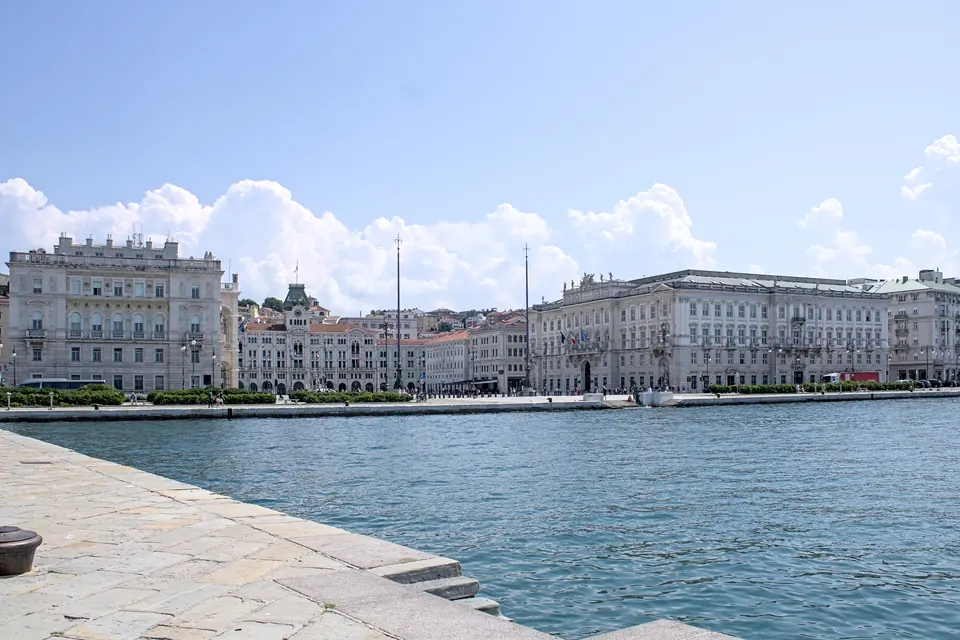
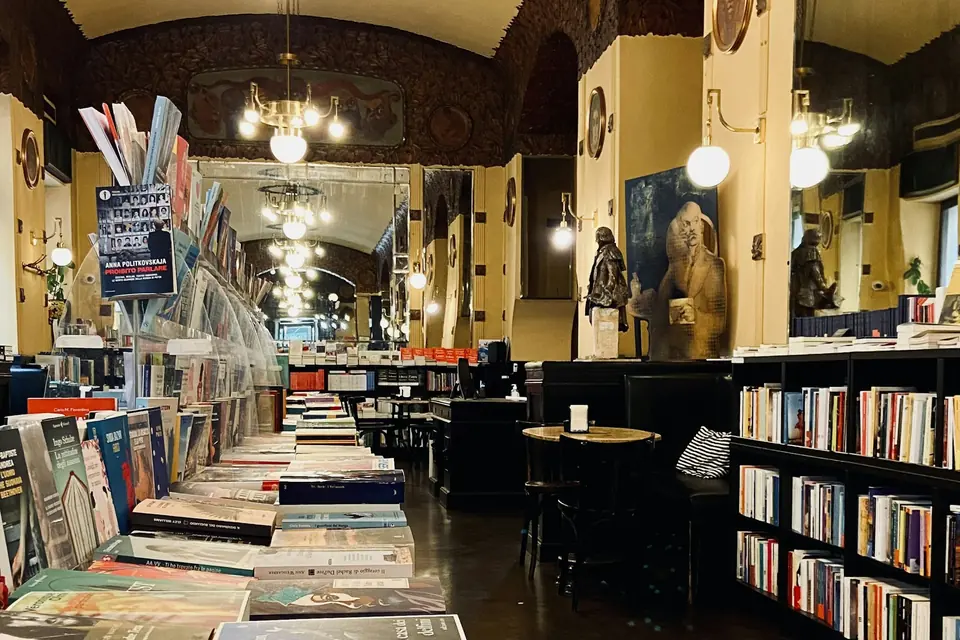
From the canal it’s a few minutes down to the waterfront and Piazza Unità d’Italia, where the Molo Audace begins. Close by are Piazza della Borsa and the Teatro Verdi, and a little further off Caffè San Marco, one of the city’s historic cafés. On the waterfront, near the mouth of the canal, is Caffè Tommaseo.
If you fancy a climb, you can reach San Giusto hill from here in 20–25 minutes. To link all these places in a single walk, follow the route in Trieste on foot, and for an overview see first time in Trieste.
Frequently asked questions
What is there to see along Trieste’s Canal Grande?
The church of Sant’Antonio Taumaturgo at the end of the canal, the Serbian Orthodox church of San Spiridione, the Ponte Rosso with its statue of James Joyce, and Palazzo Gopcevich. Along the banks you’ll also see moored boats and buildings from the free-port era.
Where is the James Joyce statue in Trieste?
On the Ponte Rosso, halfway along the Canal Grande. It is a life-size bronze statue showing the writer walking across the bridge.
Can you visit the church of San Spiridione?
Yes, this Serbian Orthodox church is open to visitors, with mosaics and icons inside. Dress respectfully and check opening times before you go, as they can change.
How far is the Canal Grande from Piazza Unità d’Italia?
About 5–7 minutes on foot along the waterfront. The two are easy to combine, together with the Molo Audace.
Information is indicative: opening times, prices and services may change, so always check the official websites before your visit.