San Giusto: what to see on the hill
In short
San Giusto hill, above the old town, is the oldest part of Trieste: the cathedral with its apse mosaics, San Giusto Castle with the Lapidario Tergestino, the remains of the Roman forum and a wide view over the port. From Casa Bora, in the Borgo Teresiano, it is a 20–25 minute walk through the centre, the last stretch uphill through the old town and past the Arch of Riccardo. Allow 2–3 hours to see everything at an easy pace.
San Giusto hill at a glance
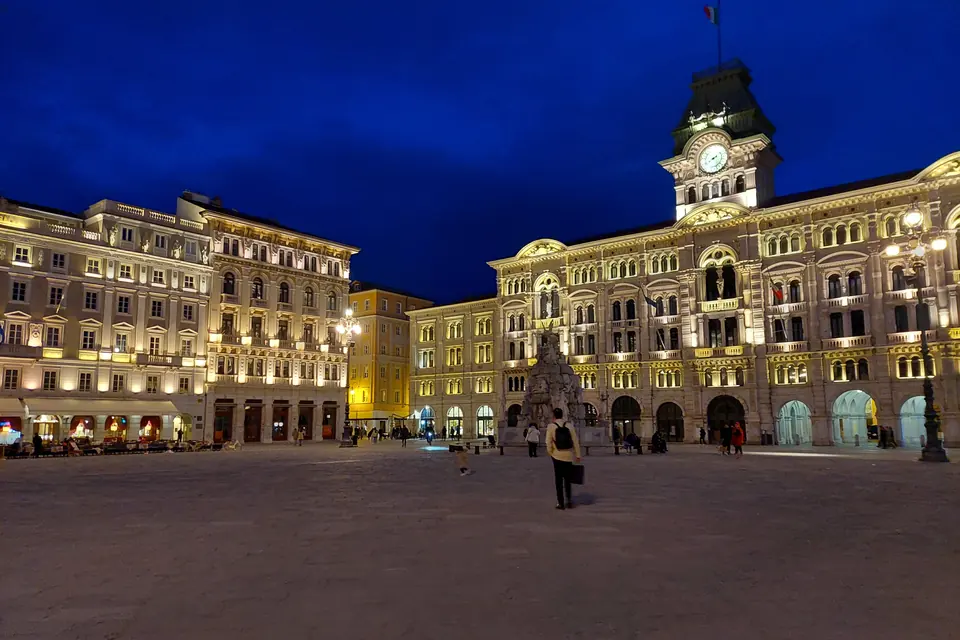
San Giusto is the hill that rises above central Trieste, just behind Piazza Unità d’Italia and the old town. If you are staying at Casa Bora, a guest house in the Borgo Teresiano near the Canal Grande, it is the highest point you can easily reach on foot: a 20–25 minute walk, the last part uphill.
This is where the city began. The Roman town of Tergeste stood on the summit, followed by the medieval core with the cathedral and, later, the castle. Today everything at the top is a few steps apart: cathedral, castle, Roman forum, a small park and several viewpoints.
What to see on San Giusto hill
San Giusto Cathedral
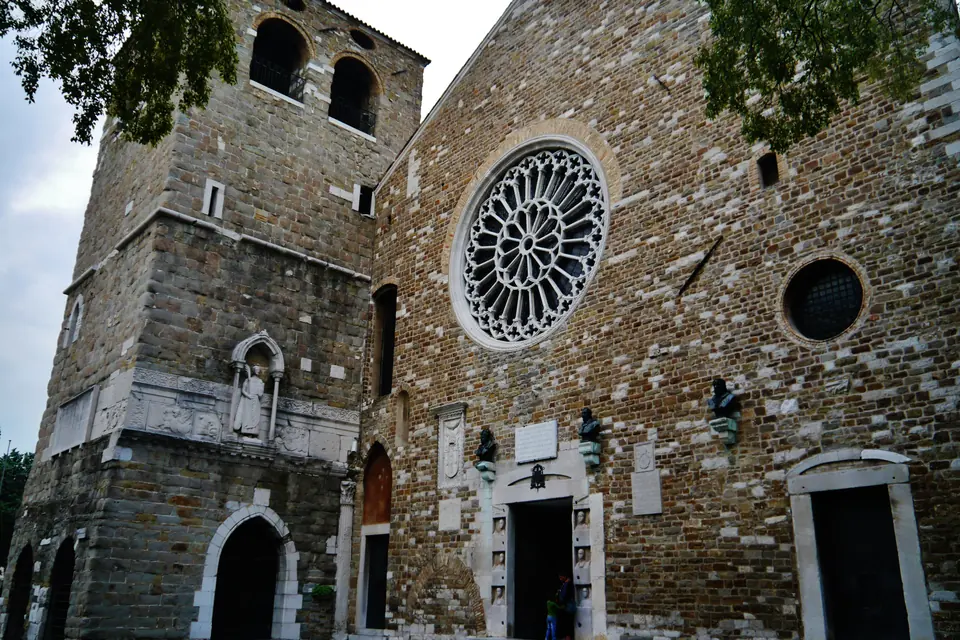
The cathedral, dedicated to the city’s patron saint, took shape in the 14th century when two older churches standing side by side were joined together. That is why the interior has five aisles and a slightly irregular plan. The plain stone façade has a large Gothic rose window, and pieces of a Roman funerary stele were reused on either side of the doorway.
Inside, don’t miss the medieval mosaics in the side apses, with gold backgrounds in the Byzantine manner: one shows the Virgin enthroned between archangels, the other Christ between Saints Justus and Servulus. The bell tower, too, incorporates the remains of an ancient Roman building.
San Giusto Castle and the Lapidario Tergestino
The castle was begun in the 15th century and extended over the following centuries with bastions and courtyards. It houses the civic museum, with furnished rooms and a collection of arms, and you can walk along the walls with views over the rooftops, the port and the gulf.
One of the bastions holds the Lapidario Tergestino, devoted to Roman Trieste: inscriptions, statues and architectural fragments found around the city. It is the best place to picture Tergeste before the Middle Ages.
The Roman forum
Between the cathedral and the castle you can see the remains of the Roman civil basilica that once faced the forum of the ancient town. A few columns have been raised again and give a sense of the building’s size. It is not a large archaeological site, but it is the most visible trace of Tergeste on the hilltop.
The view and the Parco della Rimembranza
From the square in front of the cathedral and from the castle walls you look down on Trieste: the old town, the cranes of the port, the waterfront and, on clear days, the coast as far as Istria. On the slope of the hill lies the Parco della Rimembranza, a wooded park with memorial stones to those who died in the First World War: peaceful and rarely busy with visitors.
Why climb San Giusto
The hill tells Trieste’s story at a glance: Roman, medieval, Habsburg. It is much quieter than the waterfront, and the cathedral is worth the climb for the mosaics alone. It also works on grey days, since the cathedral and museum are indoors.
Getting there from Casa Bora
From the Borgo Teresiano, walk to Piazza Unità d’Italia (about 12 minutes) and start climbing from there: allow 20–25 minutes in all. There are two main routes.
Through the old town: Roman Theatre and Arch of Riccardo
This is the more attractive route. From the streets behind Piazza Unità you enter the old town, passing the Roman Theatre, clearly visible at the foot of the hill, and the Arch of Riccardo, an ancient Roman gate. From here Via della Cattedrale climbs to the top between low houses and steps.
From Piazza Goldoni: the Scala dei Giganti
From the Borgo Teresiano you can also walk along Corso Italia to Piazza Goldoni, where the Scala dei Giganti, a long monumental staircase, leads up towards the hill. It is more direct but all steps: easy going down, hard work going up.
If the climb is a struggle
The climb is short but steep, with stepped sections. With small children, a pushchair or limited mobility, you can go up by bus or taxi and walk down: check routes and stops on the Trieste Trasporti website.
Practical information
- Cathedral: free entry; it is a place of worship, so avoid visiting during services.
- Castle and Lapidario: admission charged; opening times and tickets vary with the season, so check the official website.
- Time needed: 30–45 minutes for the cathedral and forum, an hour or more for the castle.
- Shoes: comfortable, with good grip: paving and steps get slippery in the rain.
Tips
Casa Bora’s tip: walk up through the old town past the Roman Theatre and the Arch of Riccardo, then come down the Scala dei Giganti towards Piazza Goldoni. You make a loop without retracing your steps, and you are back in the Borgo Teresiano within minutes.
When the Bora blows, the square at the top is very exposed: save the castle for a calmer moment. If it rains, the cathedral is a good shelter, but take care on the wet steps on the way down.
Nearby
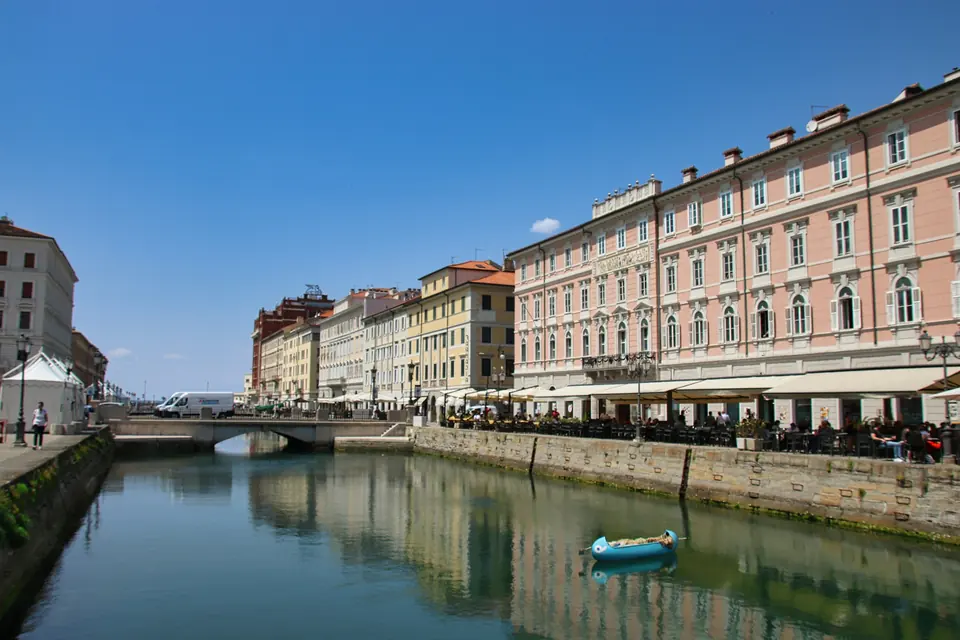
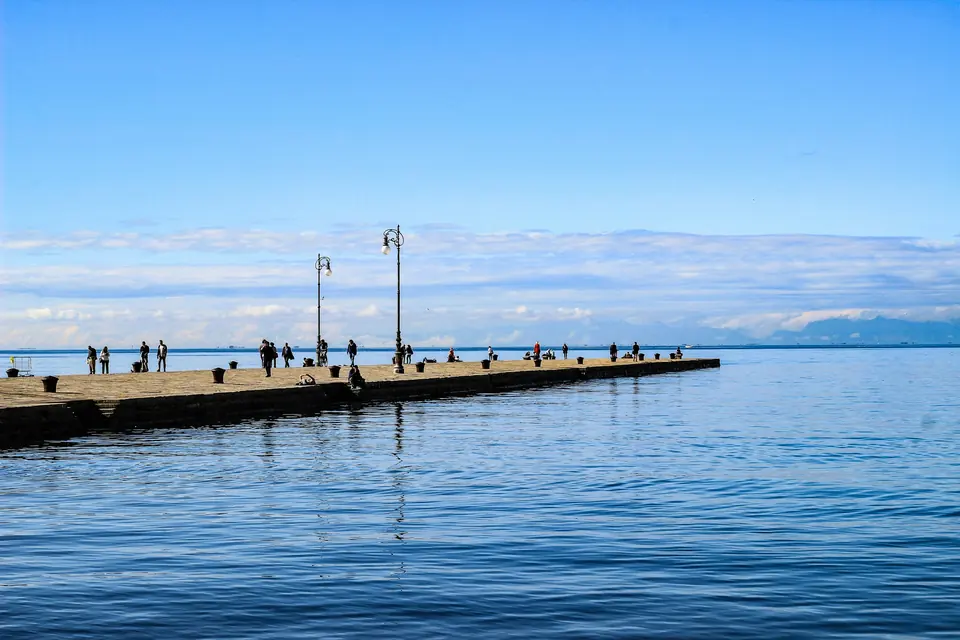
Along Via della Cattedrale you will also find the Orto Lapidario and the Civic Museum of Antiquities, if you want to dig deeper into ancient Trieste. At the foot of the hill are Piazza Unità d’Italia and the Molo Audace, and on the way back the Canal Grande. San Giusto is also a stop on the Trieste on foot route; if you are planning your stay, you can find the rooms at Casa Bora here.
Information is indicative: opening times, prices and services may change, so always check the official websites before your visit.