The Bora in Trieste: what to do when the wind blows hard
In short
The Bora is the cold, dry wind that pours down from the Karst plateau to the sea in gusts that can be very strong. When it blows, Trieste carries on as normal: you skip the Molo Audace and the exposed waterfront and head for the sheltered side of the city – museums, historic cafés and the streets of the Borgo Teresiano. When it drops, it almost always leaves a crystal-clear sky behind.
What the Bora is, in simple terms
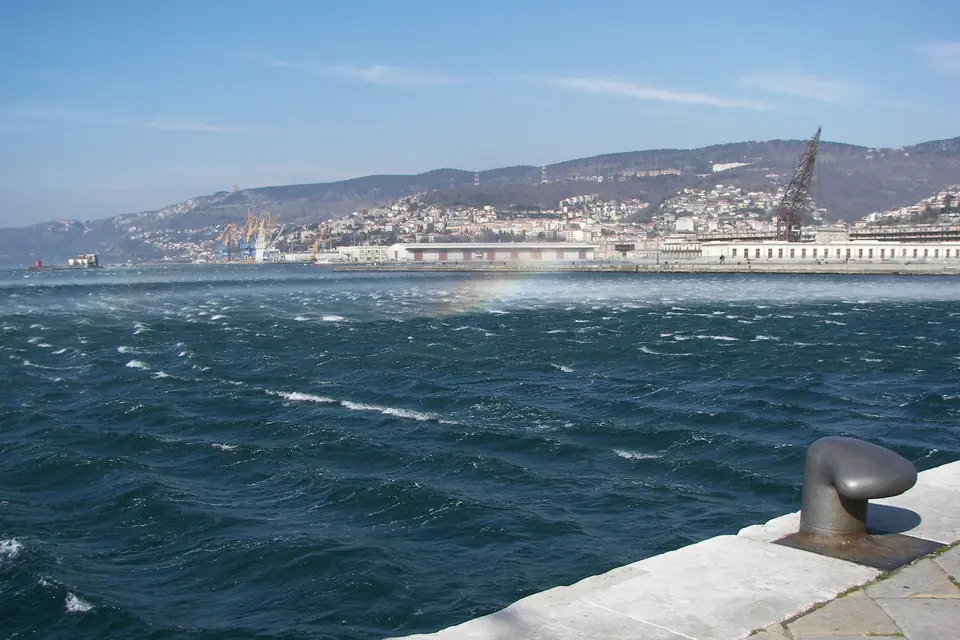
The Bora is a katabatic wind: cold, heavy air builds up beyond the Karst plateau and then “falls” towards the sea, sweeping down on the city from the east-north-east. It doesn’t blow steadily but in gusts – known locally as refoli. One moment it’s almost calm, the next you get a sudden shove.
On the strongest days gusts can exceed 100 km/h. It’s most frequent in autumn and winter, though it can also turn up in spring and, less often, in summer. An episode may last a few hours or several days in a row.
Locals distinguish between the Bora chiara (“clear Bora”), with blue skies and sharp air, and the Bora scura (“dark Bora”), which comes with cloud and rain. The clear kind is the more common one and, oddly enough, brings some of the brightest days of the year.
How the people of Trieste live with it
For those who live here, the Bora isn’t an emergency: it’s part of the city’s character – so much so that one of our rooms is named after it, the Bora Room. On windy days life goes on almost as usual: people go to work, run errands and meet up in cafés.
What changes is how you get about. People take the inner streets rather than the seafront, walk close to the buildings and keep a firm grip on the car door when opening it. In the past, ropes were strung along the most exposed streets for people to hold on to – something locals still talk about with a certain fondness.
Practical tips for visitors
What to wear
The Bora makes it feel much colder than the thermometer says. Bring a windproof jacket with a hood, warm layers underneath, and a scarf and gloves in winter. A hat is fine only if it fits snugly – wide brims won’t survive the first gust.
Tip: leave your umbrella in your room. In the Bora it breaks in seconds and becomes more of a hazard than a help. If it’s a Bora scura, a waterproof jacket with a hood is the way to go.
Where not to go in strong gusts
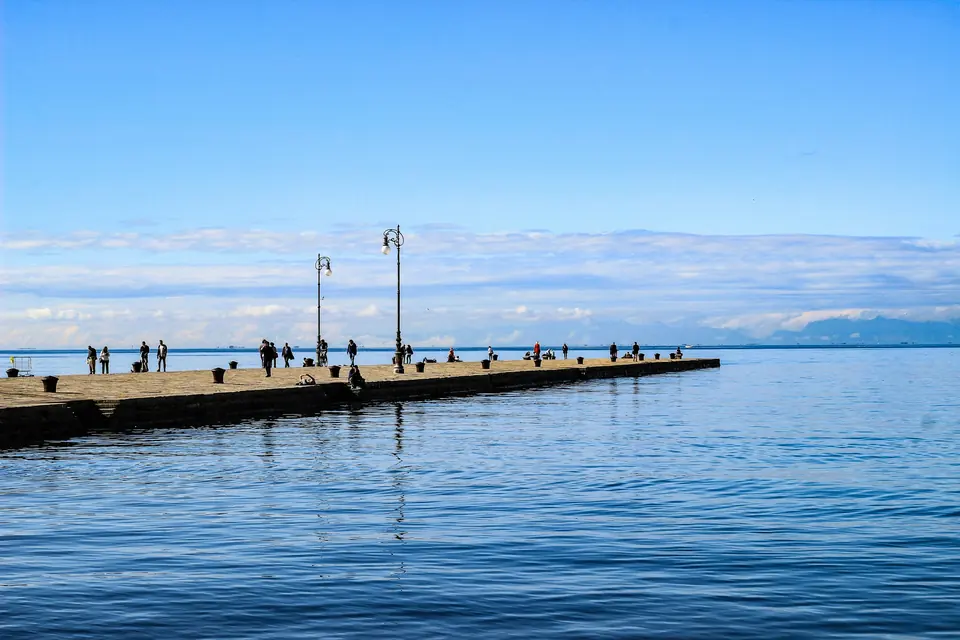
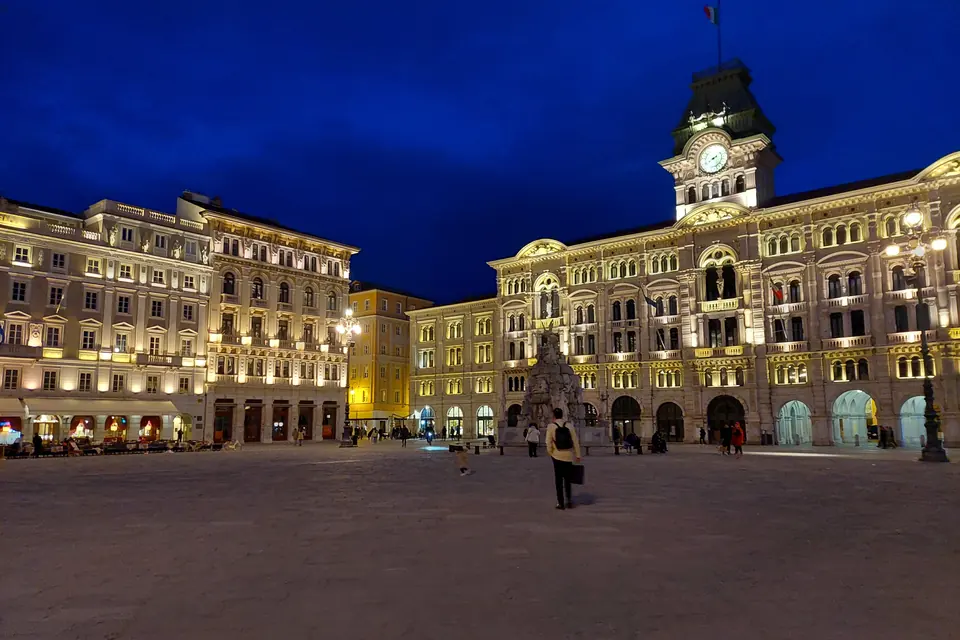
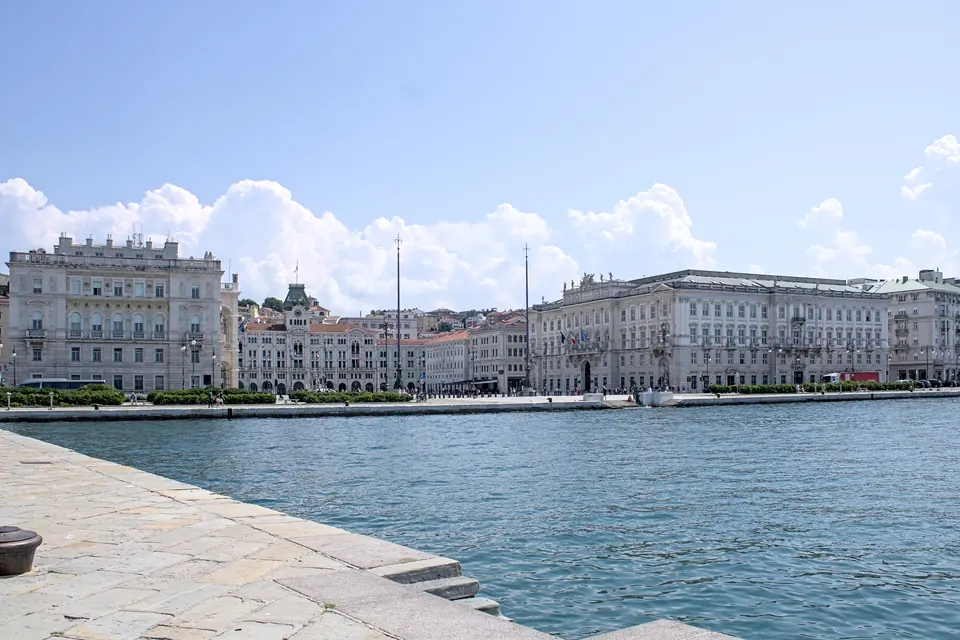
The Molo Audace and the waterfront are the most exposed spots: the wind sweeps down through the city towards the sea, and out there, with no buildings left to shelter you, it hits with full force, and on the coldest days sea spray can soak or even ice over the quayside. The seaward side of Piazza Unità d’Italia can also be hard work to cross. Admire them from somewhere sheltered and save the pier for another day.
Cars, scooters and loose objects
Be careful opening car doors: a gust can rip them out of your hand. Parked scooters, signs, café tables and bins can topple or shift. Keep away from trees and scaffolding, and use handrails on steep downhill stretches where there are any.
Getting around by bus
Trieste Trasporti’s city buses keep running in the Bora and are the easiest way to hop between neighbourhoods. In exceptional wind there may be changes, so check for updates on the official website. Seasonal ferry services, on the other hand, can be suspended.
What to do in Trieste when the Bora is blowing
Museums and indoor sights
- Museo Revoltella: a modern art gallery founded on the bequest of Baron Pasquale Revoltella, with his 19th-century palazzo and collections spanning the 1800s and 1900s.
- Castello di San Giusto: the castle rooms and the Lapidario Tergestino in the bastion, with Roman inscriptions and sculpture. You will feel the wind up on San Giusto hill, so take the bus up and spend most of your time indoors.
- Magazzino 26 in the Porto Vecchio: a huge restored historic warehouse that hosts exhibitions and museum spaces. Check what’s open when you visit.
- Museo Sartorio: a 19th-century house museum with period furnishings and art collections – quiet and cosy, ideal for an hour in the warm.
Opening times change with the seasons, so always check the official websites before heading out.
The historic cafés
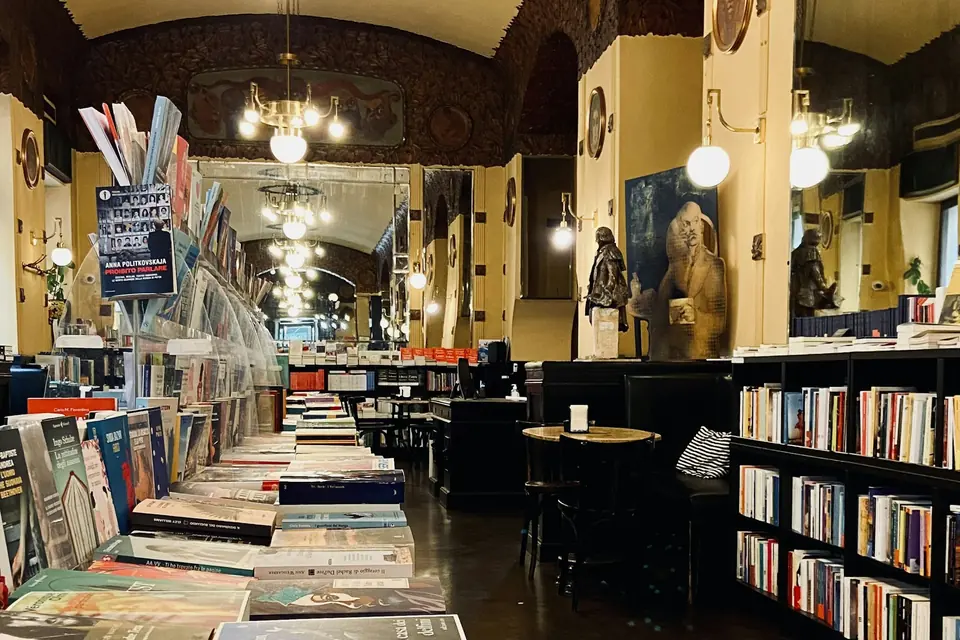
The Bora is the perfect excuse to linger in a historic café. Caffè San Marco on Via Battisti is large, with early 20th-century interiors and a bookshop inside. Caffè Tommaseo, near the waterfront, is the oldest in the city. Caffè degli Specchi looks out over Piazza Unità, while the small Caffè Torinese on Corso Italia has kept its wood-panelled interior.
Tip: Trieste has its own coffee vocabulary. A “nero” is an espresso, a “capo” is a macchiato, and a “capo in b” is a macchiato served in a small glass.
Sheltered walks
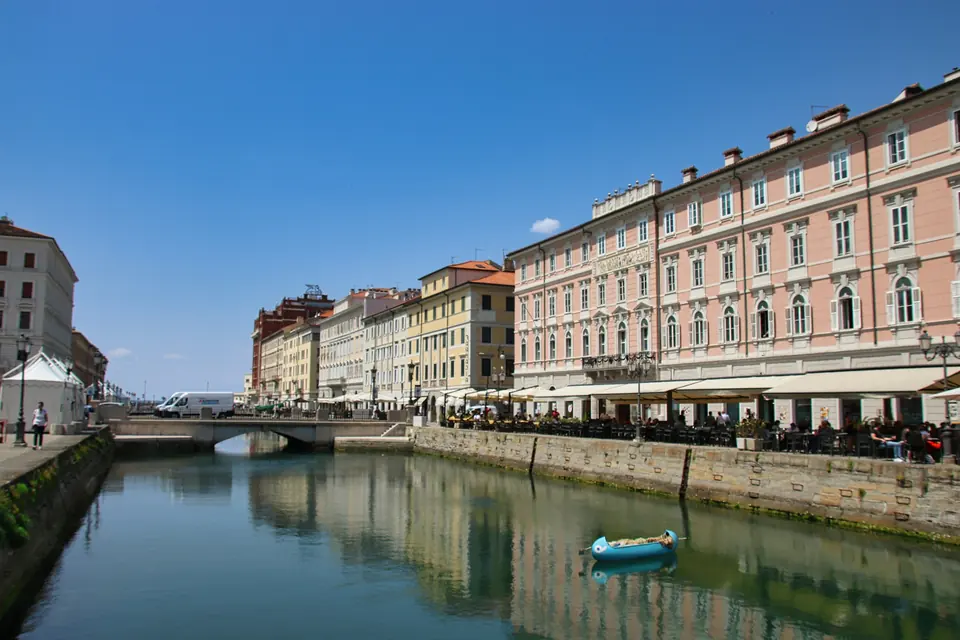
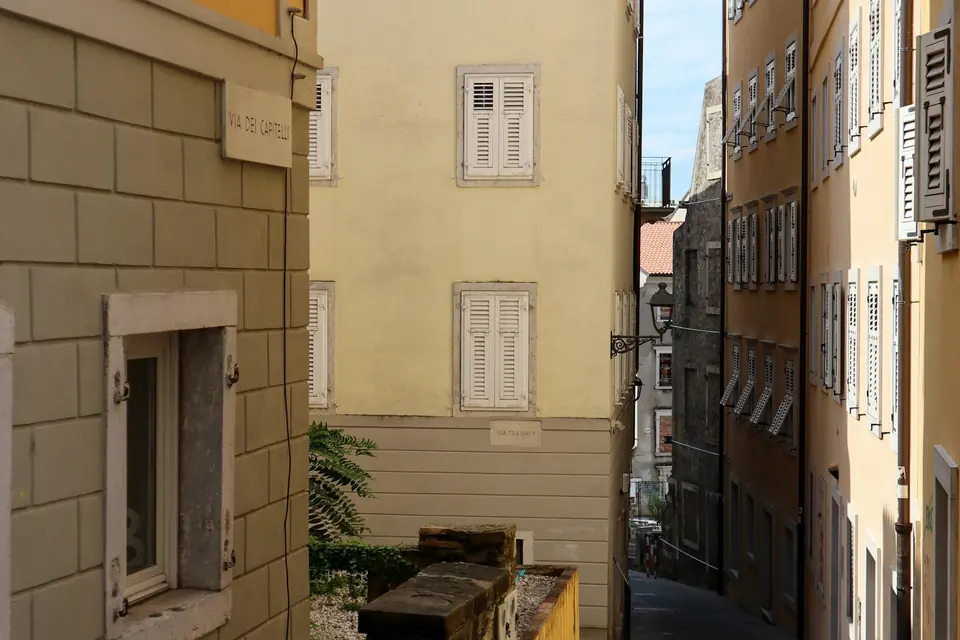
The Borgo Teresiano, with its straight streets and tall buildings, is far more sheltered than the waterfront. The area around the Grand Canal – with the Ponte Rosso, the church of Sant’Antonio Taumaturgo and the Serbian Orthodox church of San Spiridione – works well even on windy days if you stay on the building side. From here you can follow part of our walking route through the centre, picking the more inland stops.
Buffets and pastry shops
The Triestine buffet is a local institution: boiled pork cuts such as porzina and cotechino, served with mustard, freshly grated horseradish (kren) and capuzi (sauerkraut). It’s the ideal lunch on a cold day. Pastry shops in the Central European tradition sell presnitz, putizza, strudel and cakes that feel very Viennese – perfect for the afternoon.
Theatre, bookshops and writers
In the evening, look for a performance at the Teatro Verdi or the Politeama Rossetti. By day, Trieste is a city of writers: on the Ponte Rosso you’ll find the statue of James Joyce, on Via Dante the one of Umberto Saba, and in Piazza Hortis Italo Svevo. The bookshops in the centre, antiquarian ones included, are a good place to lose an hour.
The bright side of the Bora
When a clear Bora blows the humidity away, the air turns more transparent than on almost any other day of the year. From the waterfront and San Giusto hill you can see the Istrian coast and, on the best days, the snow-capped Alps to the north. The sea, dark and flecked with white, is worth a photo on its own.
The best moment often comes as the wind eases: a spotless sky, sharp light, a freshly washed city. That’s the time to head back to the Molo Audace or seek out one of the viewpoints in our guide to sea views in Trieste.
Tip: if the Bora arrives with rain, you’ll find more ideas in our guide to Trieste on a rainy day.
Frequently asked questions
Is the Bora dangerous for visitors?
Usually not, as long as you use common sense. In strong gusts, avoid the Molo Audace and the waterfront, keep away from trees and scaffolding and leave the umbrella behind.
When does the Bora blow in Trieste?
It is most frequent in autumn and winter, but it can also blow in spring and occasionally in summer. An episode can last from a few hours to several days.
What can I do in Trieste on a Bora day?
Visit museums such as the Revoltella and San Giusto Castle, linger in a historic café, have lunch at a traditional buffet and walk the sheltered streets of the Borgo Teresiano. When the wind drops, the clear sky is perfect for views.
Do buses run when the Bora is blowing?
Yes, city buses normally run as usual. In exceptional wind there may be changes, so check for updates on the official Trieste Trasporti website.
What is the difference between Bora chiara and Bora scura?
Bora chiara blows under clear skies with very crisp air and is the more common type. Bora scura comes with cloud and rain, sometimes snow, and is more unpleasant for sightseeing.
Information is indicative: opening times, prices and services may change, so always check the official websites before your visit.