Trieste in two days: what to see and a day-by-day itinerary
In short
Yes, two days is enough to see Trieste’s main sights properly. Spend day one exploring the centre on foot: Piazza Unità d’Italia, the Molo Audace, the Grand Canal, the old town and San Giusto hill. On day two head out along the coast and up onto the plateau: Barcola, Miramare Castle and a taste of the Karst.
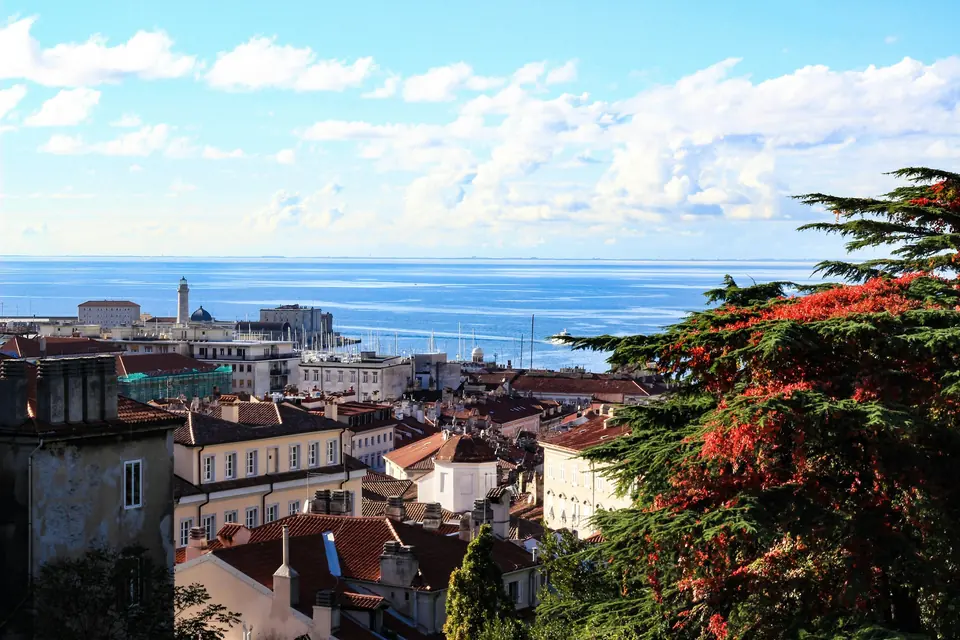
Is two days enough for Trieste?
Trieste is a compact city. The historic centre, the waterfront and San Giusto hill are all walkable, and the sea is only a short bus ride away. Two days lets you see the highlights without rushing, as long as you split them sensibly: the city on day one, the coast and the plateau on day two.
This is a practical itinerary with rough timings. If you are arriving on a Friday evening and leaving on Sunday, there is a plan built around that in Trieste at the weekend. If it is your first visit and you would like to get your bearings first, start with First time in Trieste.
Day one in Trieste: the centre on foot
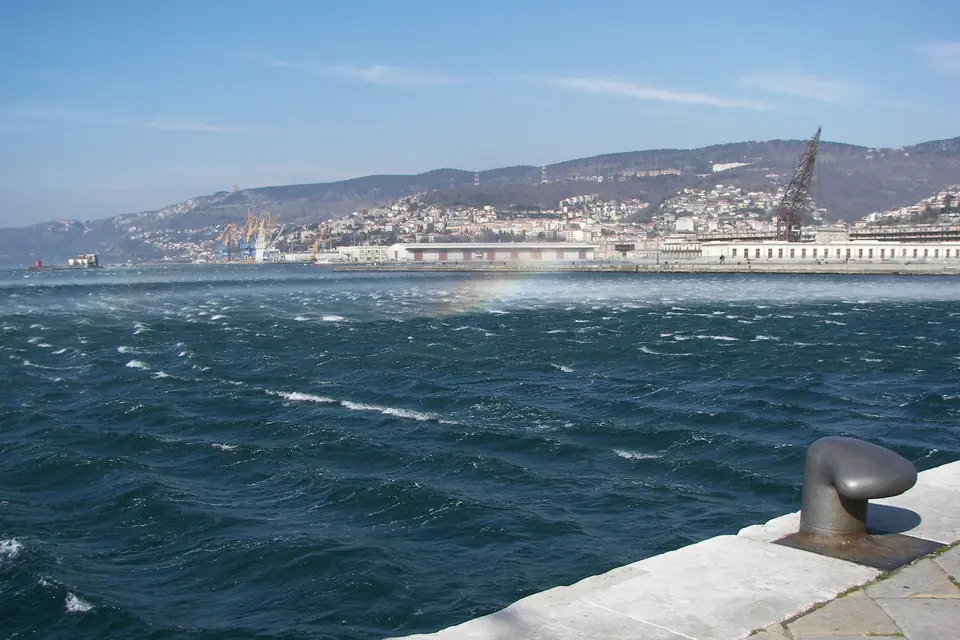
Day one involves plenty of walking, all of it flat apart from the final climb to San Giusto. Wear comfortable shoes, and bring a windproof jacket if the Bora is blowing.
Morning: Piazza Unità d’Italia and the Molo Audace (about 2 hours)
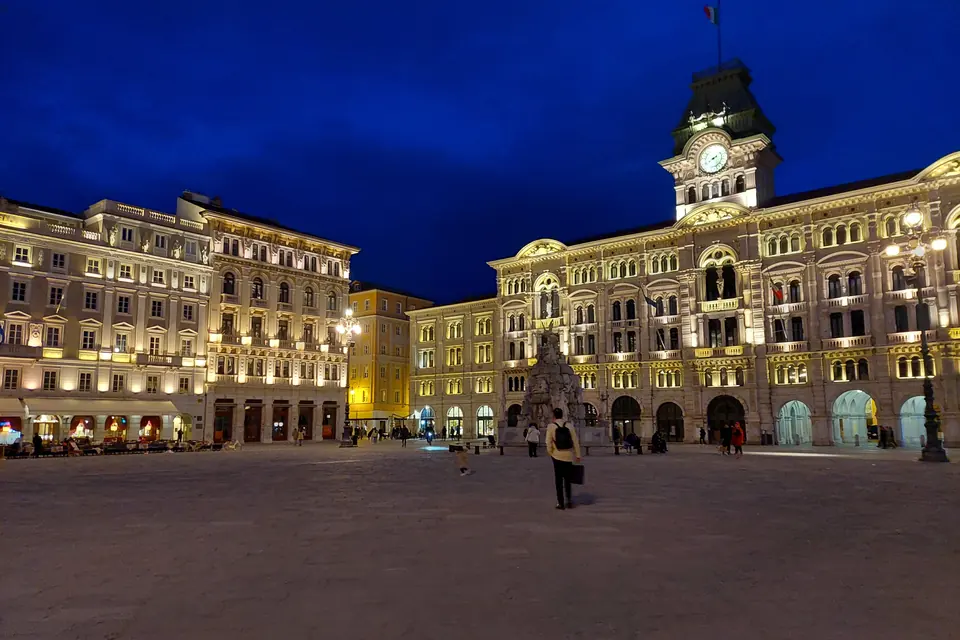
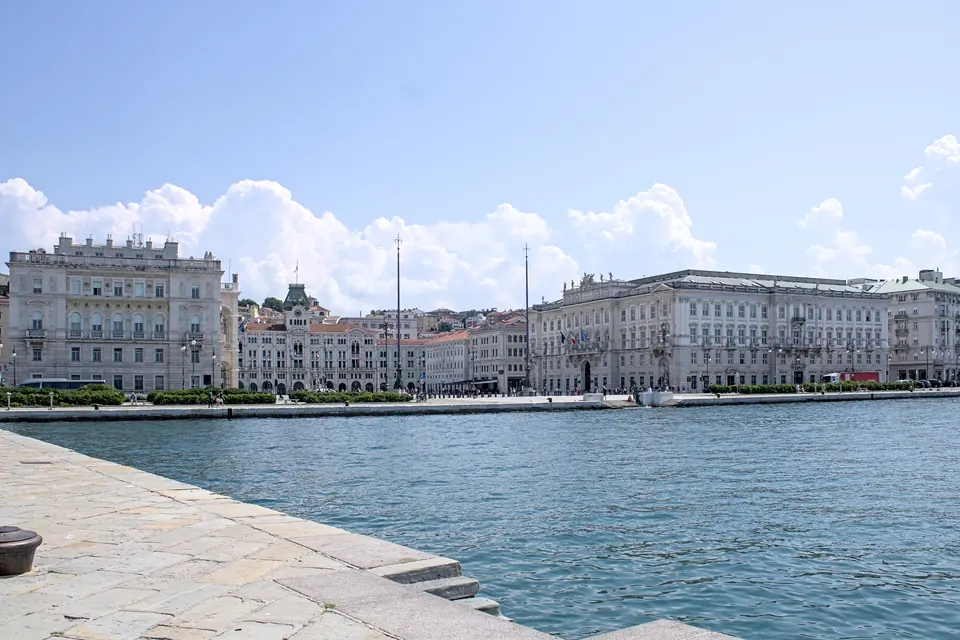
Begin in Piazza Unità d’Italia, the vast square that opens straight onto the sea. It is framed on three sides by late 19th- and early 20th-century buildings: the Town Hall, the Palazzo del Governo with its mosaic façade and the former Lloyd Triestino headquarters. In the morning the light is soft and the square is quiet.
Cross the waterfront and walk to the end of the Molo Audace, the long stone pier with the whole city behind you and the gulf in front. It is the best place to get your bearings: to the left the coast runs towards Barcola and Miramare, to the right lie the port and Muggia.
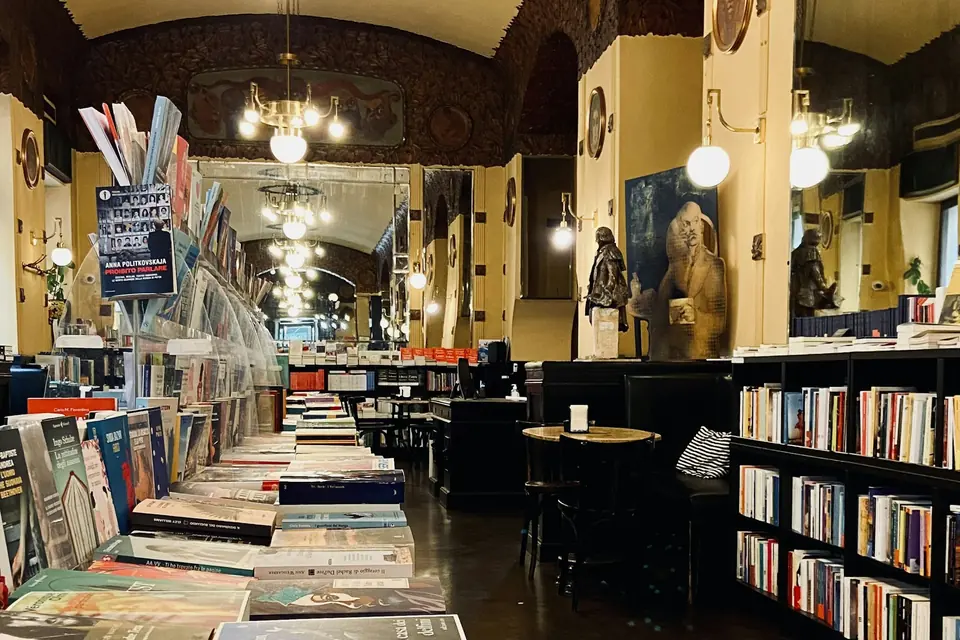
Tip: have breakfast in one of the historic cafés before you set off. Caffè degli Specchi is on the square itself, and Caffè Tommaseo is just round the corner on the waterfront.
Late morning: the Grand Canal and Borgo Teresiano (about 1 hour)
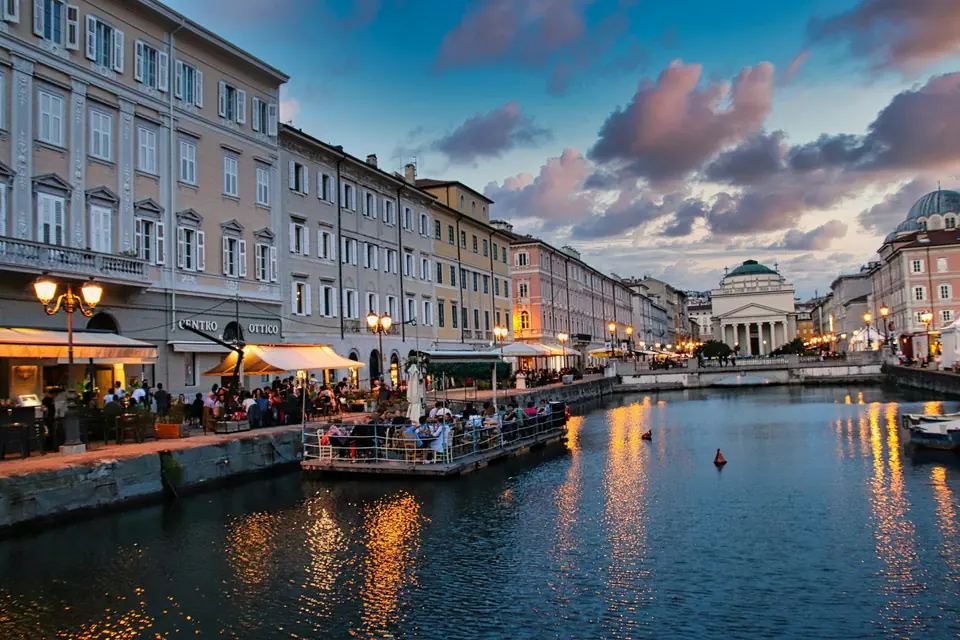
From the waterfront, walk up the Grand Canal, the 18th-century canal that cuts into Borgo Teresiano. This district was laid out under Habsburg rule, with straight streets and merchants’ palaces. At the far end stands the church of Sant’Antonio Taumaturgo, and along the bank is the Serbian Orthodox church of San Spiridione with its blue domes.
On the Ponte Rosso you will find the statue of James Joyce, who lived and wrote in Trieste for several years. Piazza della Borsa and the Teatro Verdi are only a few minutes away.
Lunch: a Triestine buffet
For lunch, try a buffet, the local tradition of boiled pork served with mustard, kren (grated horseradish) and sauerkraut. It is quick and filling, which is exactly what you want before the afternoon climb.
Afternoon: the old town and San Giusto hill (2–3 hours)
After lunch, wander into the old town behind Piazza Unità: narrow lanes, the Arco di Riccardo (an ancient Roman gateway) and the Roman Theatre at the foot of the hill, easy to see from the street.
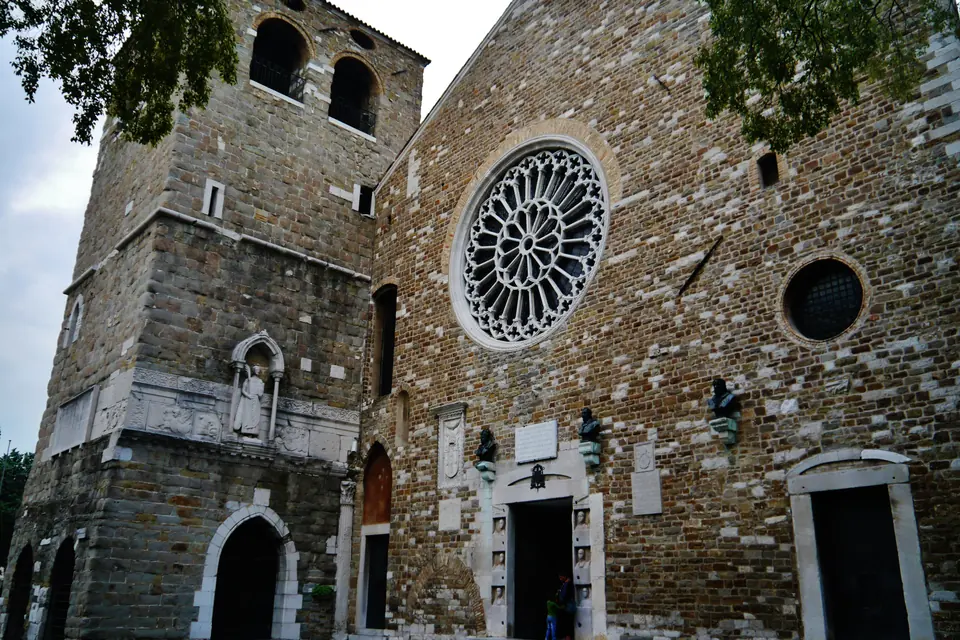
Then climb San Giusto hill. At the top are San Giusto Cathedral, the castle and the remains of the Roman forum. The walk up from the centre takes 15–20 minutes; alternatively, start from Piazza Goldoni and take the Scala dei Giganti, a monumental flight of steps. From the castle walls you look out over the rooftops and the harbour.
Tip: check opening times and tickets for the castle and its museum on the official website before heading up, as they change with the seasons.
Evening: sunset on the waterfront
Head back to the sea for sunset. The Molo Audace and the waterfront are where locals take their evening stroll. Have dinner in the centre, between the old town and Borgo Teresiano, where restaurants and bars are a short walk from each other.
Day two: Barcola, Miramare and the Karst
On day two you leave the centre. The route follows the coast north-west and then, if you still have the energy, climbs onto the Karst plateau above the city.
Morning: Barcola (1–2 hours)
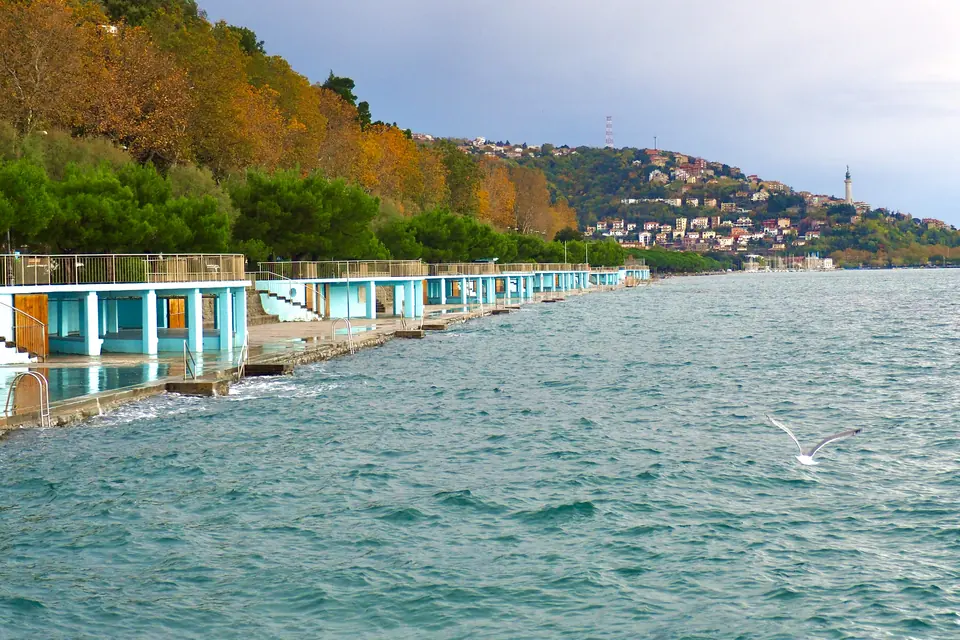
Take bus 6 from the centre to Barcola. In 10–15 minutes you reach the seafront where Triestines sunbathe, swim or simply walk, in almost every season. The semicircular platforms on the water are known locally as “topolini”.
If the weather is fine, you can also walk from the city waterfront to Barcola: 35–40 minutes on the flat, with the sea beside you the whole way.
Late morning and lunch: Miramare Castle (2–3 hours)
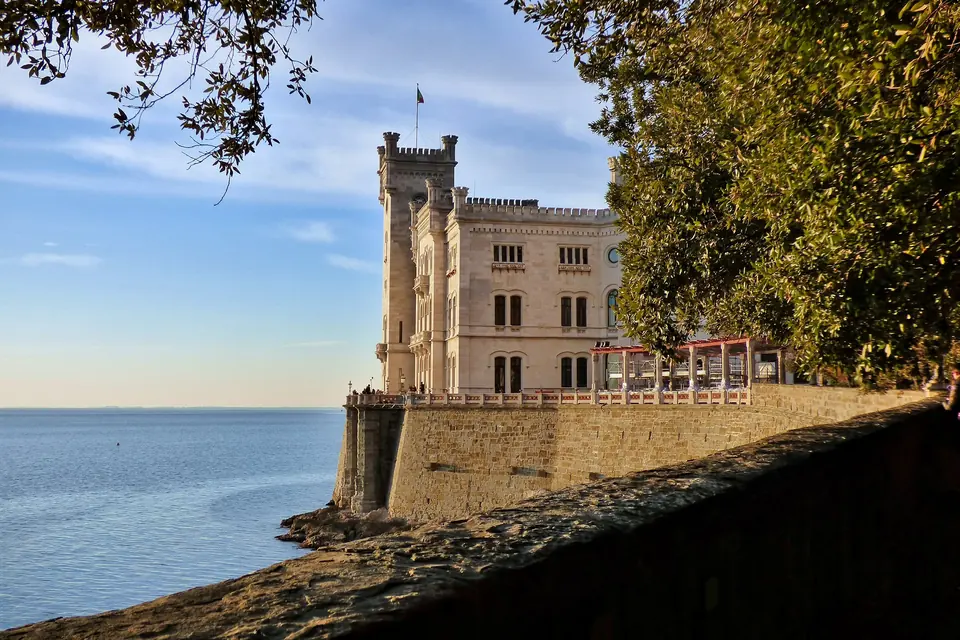
From Barcola, stay on bus 6 towards Grignano; a short walk then takes you to Miramare Castle. The white castle on the water was built in the mid-19th century for Archduke Maximilian of Habsburg and his wife, Charlotte of Belgium. Inside you can see the furnished rooms; outside there is a large park overlooking the gulf.
Allow at least an hour for the park and another for the museum. The stretch of sea in front of the castle is a marine protected area.
Afternoon: a taste of the Karst (2–3 hours)
The Karst is the limestone plateau behind Trieste, with woodland, white stone and small villages. With only two days, it is best to pick one experience:
- Strada Napoleonica (also called Vicentina): an almost level panoramic path between Opicina and Prosecco, with views down over the gulf. Ideal for a walk of a couple of hours.
- Grotta Gigante: a huge karst cave visited on a guided tour, and a good option in poor weather too.
Opicina can be reached by city bus; check routes and frequencies on the Trieste Trasporti website. For the historic Opicina tram, check whether the service is running. For the Grotta Gigante, check visiting times and connections on the official website. There are more ideas in Trieste: sea and Karst.
Evening: back to town for an aperitivo
Return to the centre for an aperitivo on the waterfront or in one of the historic cafés, such as Caffè San Marco, and end the day with a stroll along the lit-up Grand Canal.
Rough timings for the itinerary
| Stop | Rough time | How to get there |
|---|---|---|
| Piazza Unità d’Italia and Molo Audace | 1.5–2 hours | On foot |
| Grand Canal and Borgo Teresiano | 1 hour | On foot |
| Old town and San Giusto | 2–3 hours | On foot, uphill |
| Barcola | 1–2 hours | Bus 6 (10–15 min) or on foot (35–40 min) |
| Miramare Castle | 2–3 hours | Bus 6 towards Grignano + short walk |
| Karst (Strada Napoleonica or Grotta Gigante) | 2–3 hours | City buses, check routes |
Getting around in two days
You will not need any transport in the centre: Piazza Unità d’Italia, the Grand Canal and the old town are a few minutes’ walk apart. The only real climb is up to San Giusto.
On day two, bus 6 run by Trieste Trasporti is the most useful line: it links the centre with Barcola and continues towards Grignano, near Miramare. Some regional trains stop at Miramare station, and in summer there are ferry services along the coast. Always check timetables and fares on the official websites. You do not need a car, and parking in the centre is awkward.
Tip: buy bus tickets before you board (at a tobacconist, a newsstand or via the app) and keep a spare one for the return journey.
If the Bora blows or it rains
When the Bora is strong, the wind can make the Molo Audace and the waterfront hard going. Swap things round: spend the windiest hours in the old town, the cafés and the museums, and save the sea for when it drops. For more on planning around it, read what to do in Trieste when the Bora blows.
If it rains, day one adapts well: historic cafés, museums, San Giusto Cathedral and the interior of Miramare Castle. The Grotta Gigante is a good alternative to the Karst walk. There are more ideas in Trieste on a rainy day.
Frequently asked questions
Is two days enough to visit Trieste?
Yes, two days covers the main sights: the centre, the Molo Audace, San Giusto, Barcola and Miramare Castle. A third day lets you explore the Karst or the surrounding area in more depth.
Do I need a car for a two-day itinerary?
No. The centre is easy to explore on foot, and bus 6 connects it with Barcola and Grignano, near Miramare Castle. A car is only useful if you want to go further afield on the Karst.
Should I visit Miramare on day one or day two?
Day two works better, combined with Barcola, as both lie on the same stretch of coast. Day one is best spent in the centre, which you can see entirely on foot.
How should I change the itinerary if the Bora is blowing?
Save the Molo Audace and the seafront walks for the calmer hours or day, and spend the windiest spells in the old town, historic cafés and museums. There are more tips in what to do in Trieste when the Bora blows.
Information is indicative: opening times, prices and services may change, so always check the official websites before your visit.